
Discipline plays a crucial role in students’ life. It shapes habits, improves focus, strengthens time management, and builds the foundation for long-term success. Whether in academics, personal growth, or career development, disciplined students consistently perform better. In this article, we explore the importance of discipline in students life, its benefits, and how it directly affects learning.
Discipline in students’ life means developing habits like punctuality, focus, responsibility, and respect for rules that help https://oyo88s.com/ students succeed academically and personally. It builds confidence, improves learning ability, and prepares students for future success.
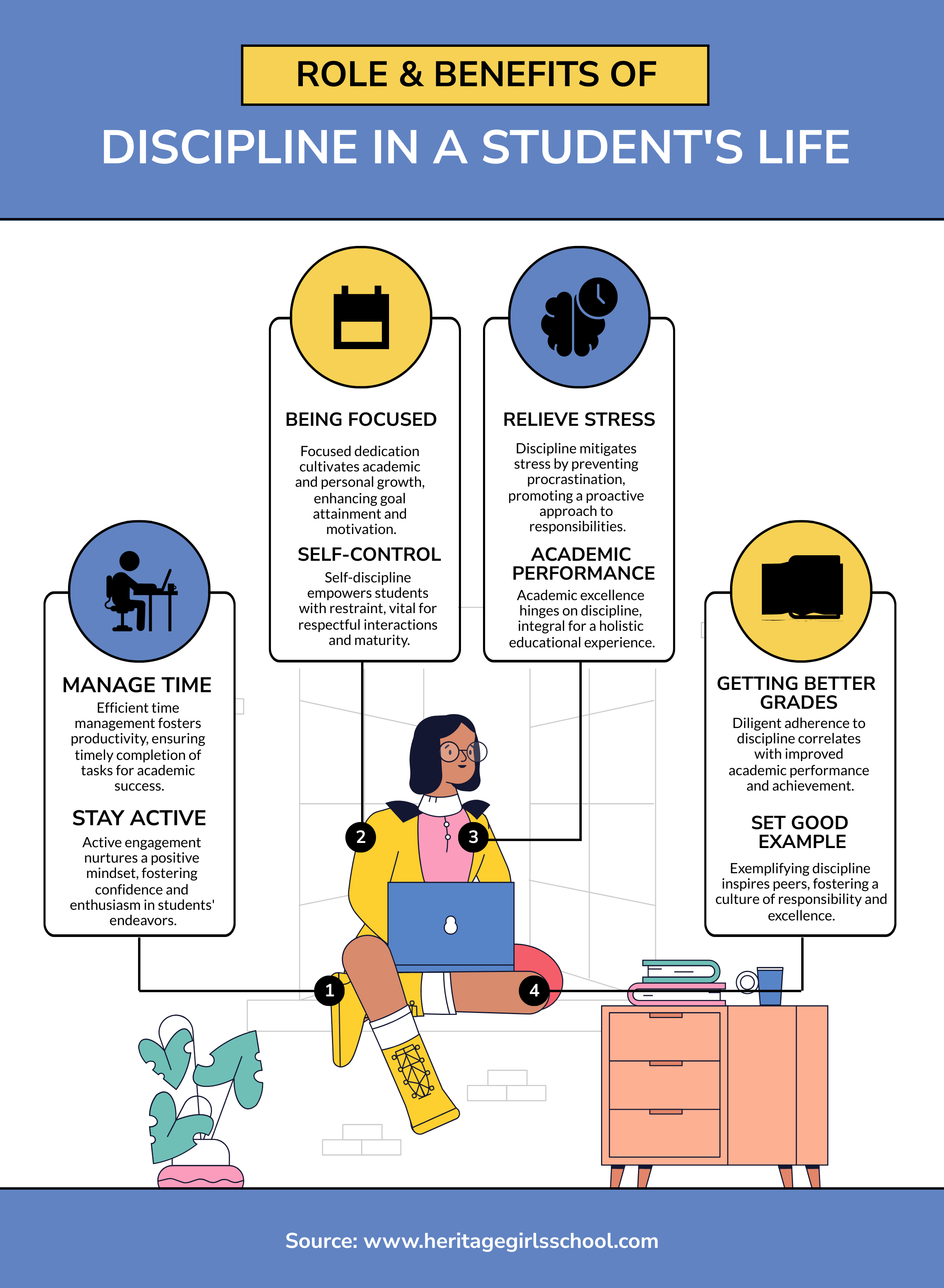 Discipline forms the cornerstone of a student’s life, dictating their actions and decisions. It is not merely a set of rules but a valuable tool for personal growth and goal attainment. By cultivating discipline, individuals can navigate distractions and stay focused on their aspirations. The practice of discipline in educational institutions like residential schools is crucial for effective learning and skill development. Through self-control and adherence to values, students learn the art of purposeful living, time management, and productivity, essential for success in any field.
This blog post dives deep into the role of discipline in student life. We’ll explore not only what discipline is, but also how it empowers students to make sound decisions, manage their time effectively, and ultimately, achieve their full potential. By the end, you’ll understand why discipline isn’t just about following rules – it’s about building a strong foundation for a successful and fulfilling future.
Discipline forms the cornerstone of a student’s life, dictating their actions and decisions. It is not merely a set of rules but a valuable tool for personal growth and goal attainment. By cultivating discipline, individuals can navigate distractions and stay focused on their aspirations. The practice of discipline in educational institutions like residential schools is crucial for effective learning and skill development. Through self-control and adherence to values, students learn the art of purposeful living, time management, and productivity, essential for success in any field.
This blog post dives deep into the role of discipline in student life. We’ll explore not only what discipline is, but also how it empowers students to make sound decisions, manage their time effectively, and ultimately, achieve their full potential. By the end, you’ll understand why discipline isn’t just about following rules – it’s about building a strong foundation for a successful and fulfilling future.
What is Discipline in Education?
Discipline in education refers to structured behaviour, respect for school rules, and the development of responsible learning habits. It helps students stay organized, complete assignments on time, respect teachers, and participate actively in classroom activities. A disciplined educational environment supports both academic excellence and character development. Must read: Best Daily Routine for StudentsWhat is Discipline in Life?
Discipline in life means maintaining control over habits, emotions, and actions to achieve goals. For students, discipline helps balance studies, extracurricular activities, and personal growth while building responsibility and independence.10 Importance of Discipline in Students’ Life
Improves focus in studies Builds strong time-management habits Increases confidence and self-control Helps students respect rules and teachers Encourages responsibility Reduces stress and procrastination Supports academic success Improvest decision-making ability Develops leadership qualities Prepares students for future careersImportance of Discipline in School
School discipline creates a positive learning environment where students feel safe, focused, and motivated. It helps maintain classroom order, improves teacher-student relationships, and encourages respect among peers.How has the Pandemic Affected Discipline in Schools?
The pandemic has significantly impacted discipline in Indian schools, with the sudden shift to online learning causing challenges in maintaining focus and engagement among students. The struggle to adapt to virtual teaching methods has been evident, leading to difficulties in re-establishing discipline in offline classes post-pandemic. Teachers faced various challenges in engaging students virtually, highlighting the importance of instilling a disciplined attitude in students’ lives. Exploring ways to foster discipline is crucial in navigating these changes effectively. This article delves into the repercussions of the pandemic on school discipline, offering insights on overcoming these challenges.Benefits of Discipline in Students’ Life
Better Time Management – Helps students plan and complete tasks efficiently Improved Focus & Concentration – Reduces distractions Lower Stress Levels – Prevents procrastination Stronger Self-Control – Builds responsible behaviour Academic Improvement – Leads to consistent performance Higher Confidence – Creates a sense of achievementHow to Build Self Discipline in Students?
Developing self-discipline is key to enhancing one’s quality of life. Mastering self-leadership can completely transform your outlook. Authentic discipline goes beyond mere words, profoundly shaping your lifestyle. Positive feelings like joy, enthusiasm, and achievement are all rooted in self-discipline and self-control.To cultivate self-discipline effectively, consider the following strategies:
-
Recognize Your Strengths and Weaknesses
-
Remove Temptations
-
Establish New Habits and Routines
-
Self-discipline benefits and importance