

Learning does not always happen when a teacher is standing at the front of a classroom. Sometimes, it happens when one student explains a difficult mathematical concept to another, when two classmates exchange revision notes before an examination, or when a student finally understands a chemistry solution after discussing it with a friend.
These everyday interactions highlight the value of learning together. While classrooms provide structured instruction, students can also benefit from opportunities to learn from one another, share ideas and work through academic challenges as a team.
This is where a study buddy programme can make a difference.
A study buddy programme pairs students to support one another with their academic responsibilities. Depending on the school’s approach, students may be paired according to their subjects, learning preferences, age groups or individual needs. They might revise lessons together, discuss assignments, practise problem-solving or simply help one another stay organised.
In boarding schools, where students live and learn within the same community, such programmes can be particularly useful. Students often have opportunities to interact beyond classroom hours, making collaborative learning a natural part of their daily routine.
However, the benefits of a study buddy programme extend beyond better preparation for examinations. From encouraging independence to strengthening friendships, these partnerships can help students develop skills that remain valuable long after they leave school.
Let us explore seven important benefits of study buddy programmes in boarding schools and understand how they contribute to a more supportive learning environment.
1. Makes Difficult Subjects Easier to Understand
Every student learns differently. Some understand a concept immediately during a lesson, while others need additional explanations, practical examples or more time to process the information.
A study buddy can provide an alternative way of approaching a difficult topic.
When students explain concepts to one another, they often use familiar language, relatable examples and simpler explanations. A topic that initially seemed complicated may become easier to understand when a classmate breaks it down into smaller steps.
For instance, a student struggling with algebra might find it helpful to work through a problem with a study partner who has already understood the method. Rather than simply sharing the final answer, the partner can explain each step and demonstrate how to approach a similar question independently.
The process also benefits the student doing the explaining. Teaching someone else requires them to organise their thoughts, identify gaps in their own understanding and communicate ideas clearly. If they cannot explain a particular step, it may encourage them to revisit the concept or ask a teacher for clarification.
This creates a learning experience in which both students have something to gain.
In a boarding school, where students may have scheduled study periods after classes, these interactions can become part of an everyday routine. Students can review lessons while the material is still fresh, discuss questions that arose during the day and prepare for upcoming assessments together.
It is important to remember that a study buddy is not a replacement for a teacher. Students may occasionally misunderstand a concept or provide incorrect information. Teachers should remain available to clarify doubts and ensure that students are learning accurately.
When used alongside classroom instruction, however, peer learning can make challenging subjects feel more approachable and encourage students to seek help rather than remain confused.
2. Encourages Better Study Habits and Time Management
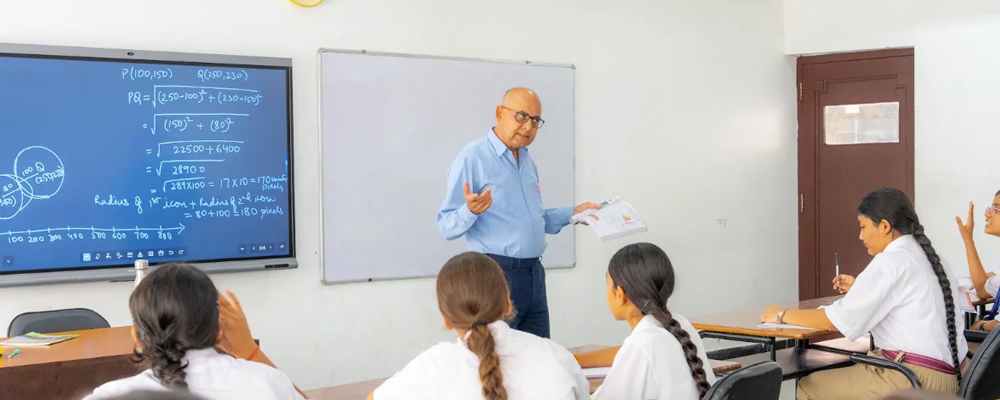
Managing academic responsibilities requires more than understanding the syllabus. Students must also learn how to organise their time, prioritise tasks and maintain consistent study habits.
For many students, especially those adjusting to a boarding-school environment, developing this routine can take time.
A study buddy programme can help by introducing a sense of shared responsibility. When two students agree to revise a chapter, complete practice questions or review their notes at a particular time, they have a common goal to work towards.
For example, two students preparing for a science examination might divide their revision into manageable sections. They could plan to review one topic each evening, test one another at the end of the week and identify areas that need further attention.
This approach can make preparation feel less overwhelming than attempting to study an entire subject shortly before an examination.
Study partners can also remind one another about upcoming deadlines, encourage regular revision and share practical organisational strategies. Over time, these small habits can help students become more consistent in their approach to academic work.
However, effective collaboration requires planning. Without clear goals, study sessions can easily turn into casual conversations that leave little time for learning.
Students should therefore learn to set realistic targets, agree on how long they will study and decide what they want to accomplish during each session.
The ultimate aim is not to make students dependent on a partner to remain productive. It is to help them develop routines that they can eventually maintain independently.
3. Builds Confidence and Reduces the Fear of Asking Questions

Not every student feels comfortable raising a question in front of an entire classroom. Some may worry about giving an incorrect answer, appearing unprepared or being judged by their classmates.
As a result, they may remain silent even when they do not fully understand a topic.
A study buddy can provide a more comfortable setting in which to express uncertainty and ask questions without feeling that everyone is watching.
When students discuss lessons in pairs, they have more opportunities to admit that they are confused, request another explanation or attempt a problem without the pressure of speaking in front of a larger group.
Consider a student who finds it difficult to understand a history chapter. During a classroom discussion, they may hesitate to ask the teacher to repeat an explanation. With a study partner, they might feel more comfortable discussing the topic, comparing notes and identifying exactly which part they have not understood.
As their understanding improves, they may become more confident about participating in class discussions and approaching teachers for help.
The same process can encourage students to recognise that asking questions is a normal part of learning rather than a sign of weakness.
Study buddy programmes can also help students become more comfortable with making mistakes. When partners treat errors as opportunities to learn instead of reasons for embarrassment, students may become more willing to attempt unfamiliar questions and explore challenging topics.
In boarding schools, this can be particularly valuable for students who are adjusting to a new environment or building friendships with classmates from different backgrounds.
A supportive study partnership cannot eliminate every academic worry, but it can provide a reassuring reminder that students do not have to work through every challenge alone
4. Strengthens Communication and Teamwork Skills

Academic learning often requires students to communicate ideas, listen to different perspectives and work towards shared objectives. These abilities become increasingly important as students progress through school and prepare for higher education.
A study buddy programme provides regular opportunities to practise these skills in a practical setting.
When students work together, they must explain their reasoning, listen carefully to one another and clarify misunderstandings. They may need to compare answers, discuss alternative methods or decide how to divide a revision task fairly.
For example, two students studying literature might interpret a character’s actions differently. By explaining their viewpoints and examining the text together, they can learn to support their arguments with evidence while remaining open to another interpretation.
Similarly, students revising geography might create a shared set of questions, take turns answering them and discuss why certain responses are more accurate than others.
These activities encourage students to express themselves clearly while respecting the contributions of others.
They also teach an important lesson about collaboration: working together does not require agreeing on everything. Different viewpoints can improve understanding when students approach disagreements with curiosity and respect.
In a boarding-school community, these skills can extend beyond academic work. Students may become more comfortable communicating with peers, resolving minor disagreements and offering constructive feedback.
Over time, they can learn to distinguish between helpful criticism and personal judgement, an ability that is useful in friendships, group projects and future professional environments.
A well-designed study buddy programme therefore supports not only what students learn, but also how they communicate and cooperate while learning.
5. Creates Stronger Friendships and a Sense of Belonging

Moving into a boarding school can be an exciting experience, but it may also involve adjusting to unfamiliar routines, new classmates and greater independence from family.
Some students settle in quickly, while others need more time to feel comfortable in their new surroundings.
A study buddy programme can help make this transition easier by creating a structured opportunity for students to connect.
Having a regular learning partner gives students a reason to interact, share experiences and become familiar with one another. Conversations about homework, upcoming examinations and classroom activities can gradually develop into friendships built on trust and mutual support.
For a new student, a study buddy may also help explain everyday school routines, such as how to organise study materials, prepare for scheduled assessments or seek academic assistance when needed.
These small acts of support can make an unfamiliar environment feel more manageable.
Study partnerships can also encourage students to interact with classmates they might not otherwise approach. When pairings are thoughtfully organised, they can bring together individuals with different interests, strengths and backgrounds.
This can broaden students’ social experiences and encourage them to appreciate perspectives beyond their immediate friendship groups.
However, a study buddy programme should not force friendships or assume that every pair will naturally work well together. Students have different personalities, and some partnerships may need to be adjusted if the arrangement is uncomfortable or ineffective.
The objective is to create opportunities for positive interaction, not to prescribe whom students should befriend.
When students feel comfortable asking for help and contributing to a shared goal, they can begin to develop a stronger sense of belonging within the school community.
6. Promotes Emotional Support and Resilience

Academic life comes with its share of challenges. Students may feel disappointed after receiving lower marks than expected, become anxious before an examination or struggle to balance several assignments at once.
Although teachers and parents play essential roles in supporting students, having a peer who understands the everyday realities of school life can also be reassuring.
A study buddy can offer encouragement during difficult periods, help a partner break a large task into smaller steps or provide company during a demanding revision schedule.
For example, a student who performs poorly in a mathematics test may begin to doubt their ability to improve. A supportive study partner can help them review the questions, identify recurring mistakes and plan additional practice before the next assessment.
Rather than focusing only on the disappointing result, the pair can shift their attention towards what can be learnt from the experience.
This encourages a more constructive response to setbacks. Students begin to understand that one difficult examination does not determine their abilities and that improvement often comes through practice, feedback and patience.
Study partnerships can also create opportunities for students to recognise one another’s efforts. A partner who notices consistent preparation or celebrates progress on a difficult topic can help reinforce positive learning behaviours.
In a residential setting, where students spend much of their day within the same community, these everyday interactions can contribute to a more supportive atmosphere.
Nevertheless, it is important to maintain appropriate boundaries. A study buddy is a peer, not a counsellor, and should not be expected to manage serious emotional difficulties or provide solutions to every personal problem.
Schools should ensure that students know when and how to approach a teacher, houseparent, counsellor or another trusted adult for additional support.
The value of a study buddy lies in providing companionship and encouragement while helping students recognise that seeking assistance is a responsible response to a challenge.
7. Encourages Independence, Responsibility and Leadership

It may seem that studying with another person encourages dependence, but a well-structured study buddy programme can actually help students become more independent.
The key lies in how the partnership is organised.
When students take responsibility for planning their sessions, preparing questions, tracking their progress and identifying areas of difficulty, they practise managing their own learning.
They begin to understand which study methods work for them, where they need additional support and how to use their time more effectively.
For example, a student who struggles to remember historical dates might discover that creating timelines and testing themselves works better than repeatedly reading the same notes. They can share this method with their partner while also learning how the other student approaches revision.
Both students gain a clearer understanding of their own learning preferences.
Study partnerships can also create opportunities for leadership. A student who understands a particular topic may guide their partner through a difficult exercise, while the other might take the lead when revising a different subject.
This exchange demonstrates that leadership is not always about being the most knowledgeable person in the room. It can involve listening, sharing responsibility, recognising another person’s strengths and knowing when to ask for guidance.
Students also learn accountability. If they agree to prepare questions for a study session, they must take responsibility for completing their part of the task. If a plan does not work, they can discuss what needs to change rather than placing the blame on one another.
These experiences help students develop skills that are useful beyond school, including self-management, initiative and collaborative problem-solving.
The most successful study buddy arrangements gradually encourage students to take ownership of their academic progress, using peer support as a resource rather than a substitute for individual effort.
How Can Boarding Schools Make Study Buddy Programmes Effective?

The benefits of a study buddy programme depend on how it is implemented. Simply pairing two students does not guarantee that they will learn effectively together. Schools need to establish a supportive structure that gives partnerships a clear purpose.
Pair Students Thoughtfully
Schools can consider students’ academic needs, learning preferences, personalities and individual goals when creating pairs. Pairings do not always need to involve students of the same ability. A student who understands a topic well may be able to explain it to a peer, while both students benefit from discussion and practice.
However, neither student should feel permanently responsible for teaching the other. Opportunities to exchange roles can help maintain a balanced partnership.
Establish Clear Goals
Students should know what they want to accomplish during each session. Goals might include revising a chapter, completing practice questions, preparing flashcards or discussing difficult concepts.
Clear objectives help keep sessions productive while allowing time for questions and informal discussion.
Encourage Active Learning
Study sessions are most useful when students actively engage with the material. They can quiz one another, explain concepts in their own words, solve problems together or summarise a lesson without referring to their notes.
These methods encourage understanding rather than passive reading.
Provide Teacher Guidance
Teachers should remain involved by helping students identify suitable study methods, correcting misunderstandings and monitoring whether the partnerships are working.
Students should be encouraged to seek help when they encounter questions they cannot resolve independently.
Review and Adjust Partnerships
Not every pairing will be equally effective. Schools can periodically ask students whether their sessions are helpful, whether their goals are being met and whether they would benefit from a different arrangement.
Flexibility allows the programme to respond to changing academic needs and individual preferences.
Maintain a Healthy Balance
Study buddy sessions should complement, rather than replace, independent study. Students still need time to practise individually, reflect on what they have learnt and complete their own assignments.
A balanced approach helps ensure that peer learning strengthens independence instead of creating reliance on another student.
Conclusion
A study buddy programme can transform learning from an individual responsibility into a shared experience of discovery, encouragement and growth. By working together, students can clarify difficult concepts, establish better study habits, build confidence and develop communication skills. They can also form meaningful connections, learn to respond constructively to setbacks and take greater responsibility for their academic progress.
These benefits are particularly relevant in boarding schools, where learning and daily life are closely connected. Opportunities to study together can help students build relationships, support one another through academic challenges and develop a stronger sense of community.
However, the success of such programmes depends on more than pairing students. Clear goals, thoughtful partnerships, teacher guidance and opportunities for independent learning are essential to making the experience worthwhile. Ultimately, a study buddy programme is not about ensuring that students always have someone to provide an answer. It is about helping them become more comfortable asking questions, explaining their ideas, learning from mistakes and supporting others along the way.