
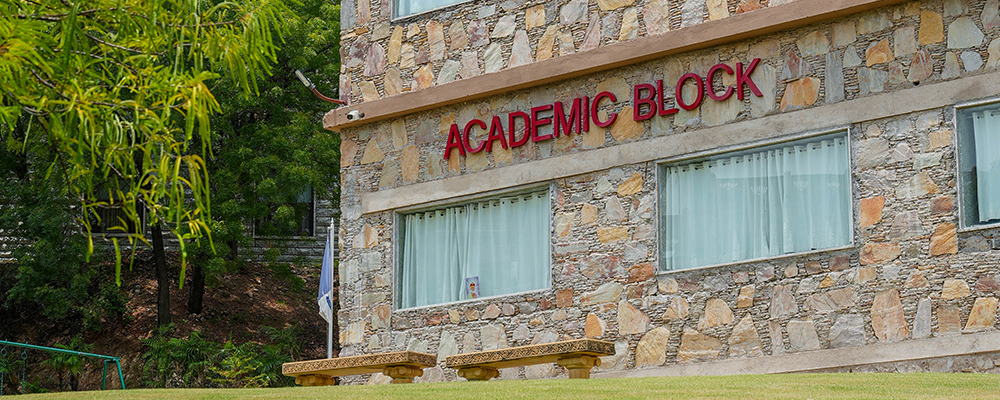
What makes a classroom a good place to learn? Is it the quality of teaching, the curiosity of students or the resources available to help them understand new ideas? While all these factors matter, the physical environment in which students learn can also influence how they engage with lessons, develop skills and perform academically.
Consider a science lesson in which students only read about chemical reactions in a textbook. Now imagine the same students conducting supervised experiments, recording observations and discussing their results in a well-equipped laboratory. The underlying concepts may be similar, but the second experience gives students an opportunity to interact with the subject in a more practical and memorable way.
This illustrates an important principle of education: learning is shaped not only by what students are taught, but also by the environments and opportunities through which they learn.
Modern school facilities can support this process by making lessons more interactive, providing access to useful resources and creating spaces that accommodate different learning needs. From well-designed classrooms and science laboratories to libraries, sports facilities and digital learning tools, each resource can contribute to a more effective educational experience when used purposefully.
However, modern facilities are not simply about impressive buildings or the latest technology. Their real value lies in how they help students understand concepts, develop independence, remain engaged and apply their knowledge.
So, how do modern school facilities improve learning and academic performance? Let us explore the different ways in which a thoughtfully designed school environment can support students’ educational development.
1. Creating Classrooms That Encourage Better Learning
The classroom is one of the most important spaces in a student’s educational journey. Students spend a considerable part of their school day listening, reading, writing, discussing and completing activities, making the classroom environment an important consideration.
Modern classrooms are designed to support these activities through appropriate lighting, comfortable seating, good ventilation, clear visibility and layouts that allow students to interact easily.
Natural light, adequate airflow, clean rooms and suitable temperatures can contribute to a more comfortable learning environment. Similarly, well-arranged seating can help students see the teacher and learning materials clearly without unnecessary distractions.
Imagine a classroom where students struggle to read the board because of poor visibility or find it difficult to concentrate because of excessive noise. Even an interesting and engaging lesson may become harder to follow under these conditions.
A thoughtfully designed classroom helps minimise such obstacles, allowing students to direct more attention towards the lesson itself.
Classroom layouts can also influence how students participate. Traditional rows may be useful for individual work and examinations, while movable desks can make it easier to organise group discussions, collaborative assignments and practical activities.
For example, students studying literature might arrange their seats in a circle to discuss different interpretations of a text. During a science activity, they might work in small groups to record observations and compare results.
These flexible arrangements allow the same space to support different teaching methods.
Of course, an attractive classroom does not automatically produce better academic results. Its effectiveness depends on teaching quality, student participation and the way the space is used. However, when classrooms are comfortable, accessible and suited to the learning activity, they can create conditions that help students participate more effectively.
2. Making Science and Practical Subjects More Engaging

Some concepts are easier to understand when students can see them in action. Science laboratories, music studios, yoga rooms, computer laboratories, art studios and other specialised learning spaces provide opportunities to move beyond theoretical explanations and apply knowledge practically.
Science laboratories are particularly valuable because they allow students to observe processes, conduct experiments, test predictions and interpret results.
A student studying plant growth, for example, might learn about the importance of light, water and nutrients from a textbook. Through a supervised practical investigation, the student can compare how plants respond to different conditions and use the observations to support a conclusion.
This process encourages scientific thinking. Students learn to ask questions, identify variables, collect evidence and distinguish between an assumption and an observation.
Laboratories also introduce students to the importance of accuracy, safety and careful documentation. These habits are useful not only in science but also in other subjects that involve research, analysis and evidence-based reasoning.
Similarly, computer laboratories can provide opportunities to develop digital skills, practise coding, work with data and use specialised educational software. Art and design spaces allow students to experiment with materials, techniques and creative ideas that may be difficult to explore through written instruction alone.
The benefits of these facilities depend on access and supervision. A laboratory filled with equipment offers limited educational value if students rarely use it or lack appropriate guidance.
When practical facilities are integrated into lessons, however, they help students connect abstract ideas with observable experiences. This can deepen understanding and make learning more meaningful.
3. Supporting Digital Learning and Technological Skills
Technology has become an increasingly important part of education, changing how students access information, practise skills and collaborate on assignments.
Modern school facilities may include interactive displays, computers, reliable internet access, digital libraries and educational software. When used effectively, these resources can supplement classroom teaching and provide students with additional ways to explore a topic.
For example, a geography teacher explaining the movement of tectonic plates might use an animation to demonstrate how the plates interact. A student studying astronomy could explore digital models of the solar system, while someone learning a language might use interactive exercises to practise vocabulary and pronunciation.
These tools can make complex information easier to visualise and allow students to revisit material at their own pace.
Digital platforms can also support different learning needs. Students who require additional practice may benefit from exercises that provide immediate feedback, while those who are ready for more advanced work can explore supplementary material.
Technology can make collaboration easier as well. Students may work on shared presentations, organise research findings or receive feedback on assignments through approved learning platforms.
Beyond individual subjects, access to digital resources can help students develop information literacy. They learn to search for relevant information, evaluate the credibility of sources, organise digital materials and use technology responsibly.
These skills are increasingly important in higher education and the workplace.
However, technology should support learning rather than distract from it. Excessive screen time, unreliable information and inappropriate online activity can create challenges. Students need guidance on digital safety, responsible use and the importance of verifying information.
The objective is not to introduce technology simply because it is modern. It is to use the right tools when they genuinely improve understanding, access or participation.
4. Improving Access to Knowledge Through Libraries and Reading Spaces
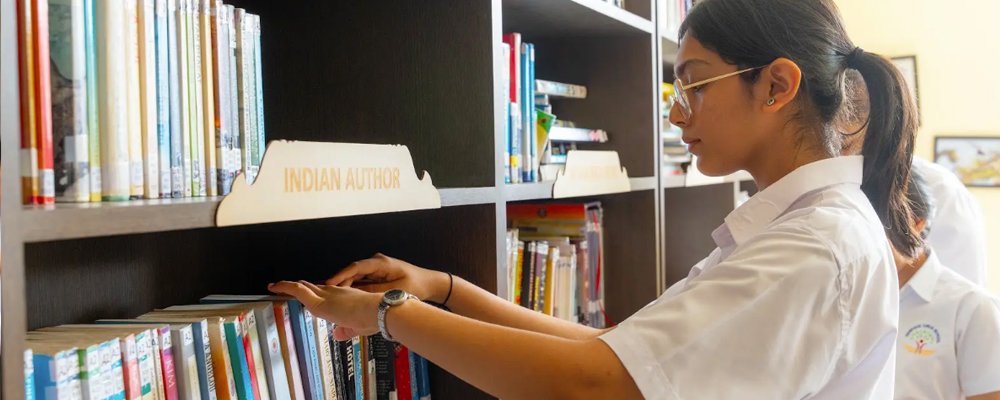
A school library is much more than a place to borrow books. It can serve as a centre for independent research, quiet study, reading and intellectual exploration.
A well-resourced library gives students access to a variety of materials, including textbooks, reference books, fiction, biographies, newspapers and age-appropriate digital resources.
This variety allows students to explore subjects beyond the prescribed syllabus. A student interested in space exploration might read about scientific discoveries, while another who enjoys history could investigate the lives and experiences of people from different periods.
Such exploration can encourage curiosity and help students discover interests that may eventually influence their academic choices.
Libraries also support the development of research skills. Students learn how to locate relevant information, compare sources, distinguish reliable evidence from unsupported claims and organise their findings into a coherent argument.
These abilities become particularly important when students undertake projects, write essays or prepare for higher education.
Quiet reading and study spaces can provide an environment for concentration, especially when students need to complete assignments without the distractions associated with busier areas.
For students in boarding schools, access to a well-organised library can be particularly useful during designated study periods. It gives them a place to revisit lessons, conduct research and develop independent learning habits outside classroom hours.
However, the value of a library depends on more than the number of books on its shelves. Relevant resources, accessible arrangements, knowledgeable staff and opportunities to develop reading habits all contribute to its effectiveness.
When students are encouraged to explore information independently, the library becomes a resource for lifelong learning rather than simply an extension of the classroom.
5. Supporting Physical Health Through Sports Facilities

Academic performance is influenced by more than the time students spend studying. Physical well-being, fitness health, energy levels, emotional strength and the ability to manage stress can all affect their educational experience.
Sports grounds, courts, swimming pools, fitness areas and indoor recreation spaces give students opportunities to participate in physical activities as part of a balanced school routine.
Regular physical activity supports cardiovascular fitness, muscular strength, coordination and general health. Research also suggests that physical activity can benefit aspects of cognitive functioning, including attention and executive function, although the relationship between exercise and academic outcomes is influenced by several factors.
A student who spends the entire day moving between lessons and study sessions may benefit from an opportunity to run, swim, play basketball or participate in another activity they enjoy.
Physical activity can provide a constructive break from prolonged sitting and help students return to academic tasks feeling refreshed. Team sports also create opportunities to develop communication, cooperation, discipline and resilience.
For instance, preparing for an inter-house football match requires students to practise consistently, follow instructions, manage their time and work towards a shared goal. These experiences can reinforce habits that are useful in academic settings, such as preparation and persistence.
Sports facilities also make it easier for schools to offer activities to students with different interests and abilities. Not every student needs to compete at an elite level to benefit from movement.
However, access to sports facilities should be accompanied by appropriate supervision, safe equipment, inclusive participation and adequate recovery time.
Physical activity should complement academic learning, not be treated as a distraction from it. A balanced approach recognises that healthy, active students need opportunities to develop both their minds and their bodies.
6. Encouraging Creativity Through Dedicated Activity Spaces
Academic development involves more than absorbing information and reproducing it during examinations. Students also need opportunities to experiment, imagine possibilities and express their ideas.
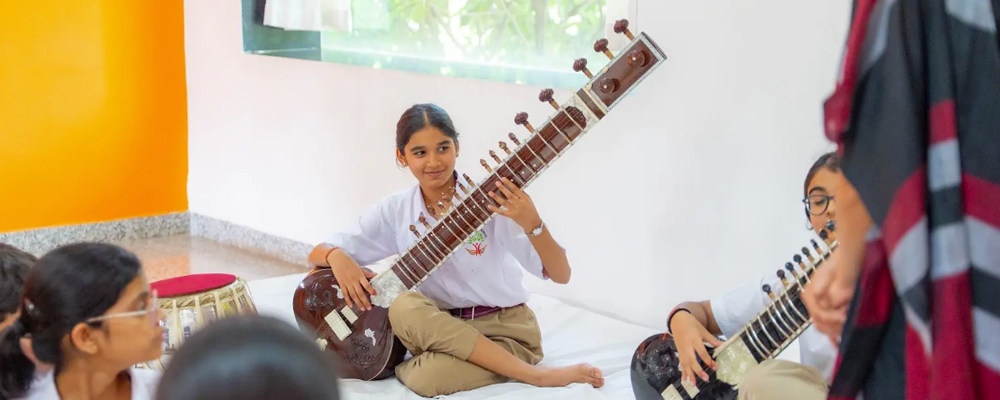
Dedicated spaces for music, dance, drama, visual arts and other creative activities can help make these experiences an integral part of school life.
An art studio, for example, allows students to work with different materials, explore techniques and learn through experimentation. A music room provides opportunities to practise instruments, understand rhythm and collaborate with other performers. Drama spaces allow students to rehearse scenes, interpret characters and develop confidence in presenting ideas.
These activities can strengthen several skills that support learning more broadly.
Creative work often requires patience, planning, observation and the ability to revise an initial attempt. A student painting a landscape may need to experiment with colour and composition, while someone rehearsing a dramatic performance must remember sequences, respond to others and adjust their delivery.
Such experiences demonstrate that improvement often involves trial, feedback and revision.
Creative activities can also provide alternative ways for students to communicate their understanding. A student who finds written expression challenging may discover that visual storytelling or drama offers a useful means of exploring an idea.
This does not mean that every creative activity will directly raise examination marks. Its value lies in broadening the educational experience and developing abilities that complement academic learning.
When schools provide accessible creative spaces, students have more opportunities to discover their interests, practise new skills and develop confidence in forms of expression beyond conventional classroom work.
7. Promoting Well-being Through Safe and Supportive Residential Spaces

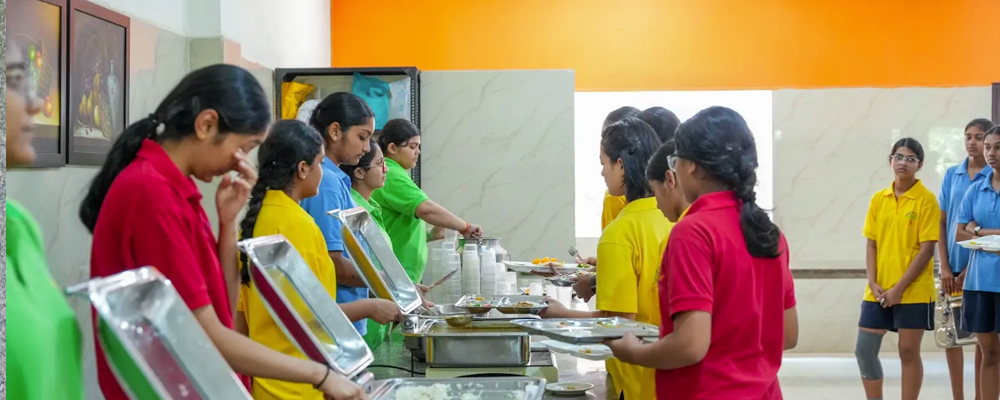
For students attending boarding schools, the learning environment extends beyond classrooms and laboratories. Residential facilities, dining areas, common rooms and outdoor spaces also influence their daily experiences.
A boarding school is both an educational institution and a place where students spend a substantial part of their lives. Their surroundings can affect their comfort, routines, social interactions and ability to rest.
Clean and well-maintained accommodation, suitable study areas, safe common spaces and access to appropriate support services can help students establish routines that balance academic responsibilities with personal well-being.
For example, a designated quiet study area gives students a place to complete assignments or revise lessons without unnecessary interruptions. Common rooms can provide opportunities for recreation and social interaction, while well-organised dining facilities support regular mealtimes.
These spaces serve different purposes, but together they can help create a more predictable and supportive daily routine.
Safety is equally important. Well-maintained buildings, appropriate supervision, clear emergency procedures, accessible facilities and reliable systems for reporting concerns help students feel more secure within their environment.
For students adjusting to residential life, a sense of comfort and belonging can make it easier to focus on school responsibilities and form positive relationships.
However, facilities alone cannot guarantee emotional well-being. Supportive adults, respectful relationships, clear communication and access to counselling when needed remain essential.
The role of residential facilities is to create an environment in which students can study, rest, socialise and develop independence while knowing that appropriate support is available.
8. Making Learning More Inclusive and Accessible
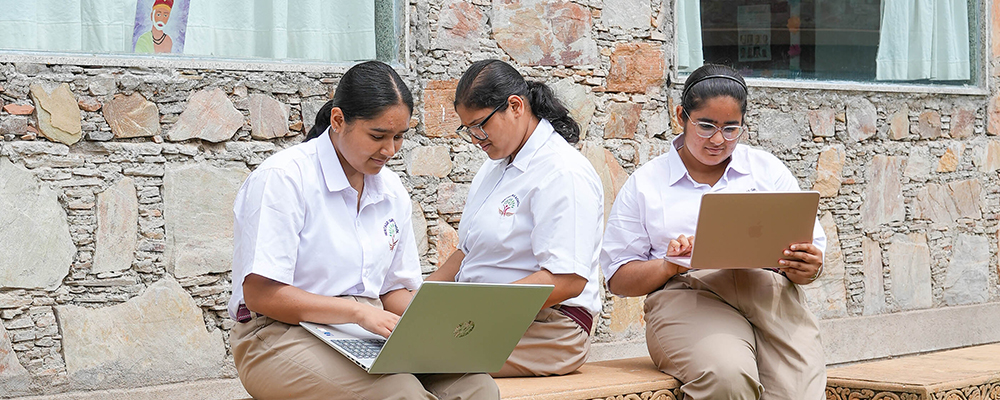
Students do not all learn in the same way, and they may not all have the same physical, sensory or educational needs.
Modern school facilities can help schools create more inclusive learning environments by reducing barriers that might otherwise prevent students from participating fully.
Examples include ramps and lifts where required, accessible toilets, suitable classroom layouts, clear signage, adjustable furniture and appropriate assistive technologies.
Digital learning tools can also support accessibility. Depending on the student’s needs, useful features may include screen magnification, captions, text-to-speech functions, speech recognition and materials presented in different formats.
These resources can make learning more accessible to students who experience mobility, hearing, visual or other challenges.
Flexible classroom arrangements can be equally important. Some students may benefit from quieter study spaces, while others may require adapted seating or additional support to participate in practical activities.
For instance, a student with limited mobility should have a meaningful opportunity to participate in a science lesson rather than being excluded because equipment or workstations are inaccessible.
Similarly, a student who benefits from enlarged text should be able to access learning materials without unnecessary difficulty.
Inclusion requires more than installing accessible equipment. Schools must also consider how teachers organise lessons, how resources are distributed and whether students can participate without being singled out or disadvantaged.
When facilities are designed around a wider range of needs, they help create a learning environment in which more students can engage with the curriculum and demonstrate their abilities.
9. Helping Students Develop Independent Learning Skills

One of the important aims of education is to prepare students to learn independently. As they progress through school, students must gradually take greater responsibility for managing assignments, conducting research, preparing for examinations and identifying areas where they need improvement.
Modern school facilities can support this transition by providing resources that students can use beyond direct teacher instruction.
Libraries allow them to research topics independently, computer laboratories provide access to educational tools, and designated study spaces offer opportunities to practise concentration and organise academic work.
Consider a student preparing for a history examination. They might begin by reviewing classroom notes, then use library resources to clarify unfamiliar events, create a timeline and test their understanding through practice questions.
Rather than relying exclusively on a teacher to provide every explanation, the student learns to identify useful resources and take practical steps towards resolving difficulties.
Digital learning platforms may offer similar opportunities through revision exercises, recorded lessons and additional practice material, where available.
These resources can also help students develop self-awareness. They begin to recognise which topics require further revision, which methods work best for them and how to distribute their time across different subjects.
In boarding schools, scheduled independent study periods can reinforce these habits by giving students regular opportunities to organise their work within a structured routine.
However, independence should develop gradually. Students still need guidance, feedback and encouragement, especially when learning unfamiliar concepts or managing demanding workloads.
The aim is to provide enough support for students to make progress while allowing them increasing responsibility for their own learning.
10. What Makes School Facilities Truly Effective?
Although modern facilities can provide significant educational benefits, their presence alone does not guarantee improved academic performance.
A technologically advanced classroom may have limited impact if its equipment is rarely used. A well-equipped laboratory may not improve scientific understanding without meaningful experiments and effective supervision. Similarly, an extensive library may remain underused if students are not encouraged to read or shown how to conduct research.
The effectiveness of school facilities depends on how well they meet students’ needs and how thoughtfully they are integrated into everyday learning.
Several factors are particularly important.
- Quality teaching and appropriate use: Teachers need the skills and resources to use facilities in ways that support learning objectives. Technology, practical equipment and specialist spaces should enhance lessons rather than serve as decorative additions.
- Regular maintenance: Equipment must be safe, functional and available when students need it. Well-maintained facilities reduce disruptions and help schools make effective use of their resources.
- Equal access: Opportunities to use laboratories, libraries, sports grounds and digital tools should be available to students fairly, with appropriate adaptations where necessary.
- Student safety: Facilities should be supported by suitable supervision, clear procedures and appropriate safety standards, particularly in laboratories, sports areas and residential spaces.
- A balanced approach: Students need a combination of academic resources, physical activity, creative opportunities, social interaction and rest. No single facility can meet every developmental need.
- Ongoing evaluation: Schools should consider whether facilities are being used effectively and whether they support students’ participation, understanding and well-being. Feedback from students and teachers can help identify areas for improvement.
Ultimately, the most effective school environment is not necessarily the one with the greatest number of facilities. It is the one in which available resources are thoughtfully designed, properly maintained and meaningfully connected to the educational experience.
Conclusion
Modern school facilities can play an important role in improving the quality of education by creating opportunities for students to explore ideas, apply knowledge and develop skills beyond conventional classroom instruction.
Well-designed classrooms can support concentration and participation. Laboratories make practical learning possible, libraries encourage independent research, and digital resources provide additional ways to understand complex concepts. Sports grounds, creative spaces and supportive residential facilities contribute to a broader educational experience that recognises students’ physical, intellectual, social and emotional needs.
However, facilities are most valuable when they work alongside effective teaching, thoughtful planning and a supportive school culture. A building or piece of equipment cannot replace a skilled teacher, and technology cannot guarantee understanding without meaningful engagement.
The real measure of a modern school environment lies in how effectively it helps students learn, ask questions, explore their interests and develop confidence in their abilities.
When facilities are designed around these goals, they become more than physical spaces. They become resources that help students turn information into understanding, curiosity into exploration and everyday experiences into opportunities for growth.
Ultimately, a good learning environment is not defined solely by what a school has, but by what students are able to do, discover and become through the opportunities it provides